The history of Blackberry: The best BlackBerry phones that changed the world

The BlackBerry Pearl was the first BlackBerry phone without a scroll wheel for navigation on the display. Instead, it featured a mini trackball in the center of the five-button wide keyboard, which would revolutionize device navigation.
The 8100 is the first Pearl model and features a 1.3-megapixel camera, as well as microSD, ringtone, and media player support for up to 8GB expansion. This model, as well as the subsequent Pearl models, all had 240 x 260 resolution displays , but they bumped up the cameras to 2 megapixels.
blackberry curve


The BlackBerry Curve was first launched in 2007 with the 8300 (pictured). There are several variants, most of which have a 2-megapixel camera, a trackball interface on the Pearl, and a 320 x 240 resolution display.
Some have made some changes with higher resolution displays as well as additional features. Curve offered a wider format with a full QWERTY keyboard and was an instant hit with consumers due to its low price and wide range of smartphone features.
BlackBerry Pearl FlipBlackBerry History The Best BlackBerry Phones That Changed the World Picture 11crackberryThe BlackBerry 8220 Pearl Flip was released in 2008 in a clamshell form factor. It has an internal display of 240 x 320 pixels and an external display of 128 x 160 pixels.
Featuring the same trackball interface as the original Pearl series, along with a 2-megapixel camera, 128MB of RAM, and microSD support for up to 16GB.

The BlackBerry Bold series was first launched in 2008 with model number 9000 (pictured). It has a wider format like Curve, with a full QWERTY keyboard as well as a trackball interface. The Bold shook up the BB world and became the premium device everyone wanted. The original Bold featured a leather back for a chic feel and was probably the most iconic phone BlackBerry ever produced.
The 9000 model features a 480 x 320 pixel display, 2-megapixel camera, Bluetooth, Wi-Fi 802.11a/g/b, and microSD expansion up to 16GB.

The first-generation BlackBerry Storm moved in late 2008 and featured a clickable touchscreen but no physical QWERTY keyboard. This is BlackBerry’s first attempt at toward full touch, and the iPhone is starting to make waves. The storm did not subside.
As shown, the 9500 model comes with a 3.2-megapixel camera and a 360 x 480 resolution display. There is also 1GB of RAM. In 2009, the Storm 2 came out, the 9550, with 2GB of RAM in an attempt to address the original’s shortcomings.
BlackBerry has tried to do its own thing with touch, but has struggled to match rival offerings.
The BlackBerry Tour was launched in July 2009. It offers a 480 x 360 pixel resolution display with a pixel density of 250ppi and comes with a 3.2-megapixel camera and microSD expandability up to 32GB.


BlackBerry updated the Bold series with the 9700 model in late 2009, and twice in 2010 with the 9650 and 9780. The trackball is replaced by a trackpad, and the display resolution jumps to 480 x 360 pixels, up from 220ppi to 250ppi.
The 9700 and 9650 models have 3.2-megapixel cameras, while the 9780, launched in late 2010, has a 5-megapixel autofocus camera.
While optical trackpads are a nice enhancement over glitch-prone trackballs, competition from powerful touch devices and complaints about a lack of apps is growing.

BlackBerry launched an updated version of the Pearl in 2010, bringing the optical trackpad found on the new Bold to the smaller device.
Like the original Pearl, the 9100 has two letters per button to allow for a slimmer body. This model comes with a 3.2-megapixel camera and microSD expandable memory from 2GB up to 32GB.

The first BlackBerry Torch was launched in 2010 with model number 9800 (pictured). It features a large touchscreen with a 480 x 640 resolution and 250ppi pixel density that slides up to reveal the full QWERTY keyboard.
There’s a 5-megapixel camera on board, along with an optical trackpad. Torch received several updates in 2011, with the 9810, 9850, and 9860est blackberry phones that changed the world image 26BlackBerryThe BlackBerry Classic followed the Passport in December 2014, bringing back a similar design to the Bold, which was one everyone knew and loved. The Classic had a 3.5-inch display with a 720 x 720 pixel resolution and offered an 8-megapixel camera with a 2-megapixel front camera.


There was 2GB of RAM on board, as well as a 1.5GHz processor, but the main thing about this device, other than the physical QWERTY keyboard, was that it allowed users to download Android apps as well as BlackBerry apps.
BlackBerry Leapthe history of blackberry the best blackberry phones that changed the world image 27BlackBerryFour months after the BlackBerry Classic arrived, came the full touchscreen BlackBerry Leap, moving away from the physical QWERTY keyboard. The Leap was the product of a new production agreement with Foxconn, seeing a cheaper touch device produced.


The Leap had a 5-inch display offering a 1280 x 720 pixel resolution, an 8-megapixel rear camera, 2-megapixel front camera and a 1.5GHz processor with 2GB of RAM. It came in black and white and it was the last BB10 device ever.


BlackBerry Privthe history of blackberry the best blackberry phones that changed the world image 28Carphone WarehousePriv was the moment it all changed for BlackBerry. It was the first Android device built by BlackBerry, and marked the beginning of the end for its own mobile platform.


It featured the full QWERTY keyboard hidden beneath a slide up display, along with an 18-megapixel camera, Quad HD display and the Qualcomm Snapdragon 808 processor.
As an Android device the Priv was packed with innovation.

The format was perhaps a little large, offering that sliding action, but the Priv was a good handset.
BlackBerry KeyOneThe History Of Blackberry The Best Blackberry Phones That Changed The World image 29BlackBerry MobileHaving decided it couldn’t afford to keep its hardware division running, BlackBerry turned over its license to TCL, the same company that had reasonable success in reinvigorating the Alcatel brand. Its first phone, the KeyOne was a knockout for traditional BlackBerry fans.


It still ran Android, but – unlike the Priv – featured a non-sliding keyboard directly beneath the display. Its combination of rounded metal, and soft-touch grippy rear texture made it a joy to use, and its unconventional 3:2 4.5- inch screen was surprisingly sharp and clean.


Featuring a 3,500mAh battery and a Snapdragon 625 processor, it could almost go two days between charges, and accomplished most tasks with little effort or delay.
BlackBerry Key2The History Of Blackberry The Best Blackberry Phones That Changed The World image 30BlackBerry MobileThe follow up to the KeyOne was the last flagship – the Key2, and the aim here was to slim down the offering, making it more premium in looks, more durable and lighter. The keyboard was madeably noticeably bigger too, ensuring it was even easier to type on.


It kept the same 1080 x 1620 resolution 3:2 display, but bumped the processor power up to the Snapdragon 660 chip, with 6GB RAM and a long-lasting 3,500mAh blackberry Cell Phone batteries
Its dual 12-megapixel camera system on the back was new too, as was the rubberised, grippy finish. Its square edges made it not quite as pleasant to hold as the rounded KeyOne, but the right improvements were made elsewhere.


BlackBerry 5G – the phone that got awaythe history of blackberry the best blackberry phones that changed the world photo 31Pocket-lint

In 2020, OnwardMobility won the license to produce the first 5G BlackBerry phone. It was expected to be an Android-powered smartphone and was originally planned to be released in 2021 but – after many a delay – OnwardMobility closed down, extinguishing any hope of a BlackBerry revival.

>>>>>>>>>>>>>>>>blackberry Cell Phone batteries
>>>>>>>>>>>>>>>>BlackBerry 8310 8700 8520 8320 9300 7130 Long Life Battery Replacement

BlackBerry Motion review: It’s all about the battery life

Back in the day, when BlackBerry was the premier smartphone manufacturer, you could count on its devices to have two features: a physical keyboard and long BlackBerry smartphone battery life. A lot has changed since then, but BlackBerry Motion still retains part of its legacy . It may lack a classic keyboard, but it makes up for it with one of the largest smartphone batteries I’ve used all year.

This should make some die-hard fans happy, right? We’re not sure when (or if) the Motion will come to the US, but that’s okay: it’s a decent phone, but it’s overpriced. Unlike the last two all-touch BlackBerrys, the Motion is more than just a clone of an existing device. In fact, I think the Motion is the best touchscreen BlackBerry in years. BlackBerry phones have always been conservative, but the Motion’s body is a beautiful mix of glass, aluminum and soft-touch plastic that looks like carbon fiber. To give the Motion some extra character, BlackBerry Mobile rounded the top edge of the phone while keeping the bottom edge flat. It’s a neat touch, but hard to appreciate unless you look closely. Still, the fact that BlackBerry Mobile is trying to give a glass and metal slab any personality is a welcome change of pace .


The phone looks better than it feels, though. It’s much taller than the BlackBerry KEYone, so people with smaller hands will have to jiggle the smartphone to reach the top of the screen. Meanwhile, the Motion’s flat sides give it a boxy, utilitarian feel Then again, if ever there was a phone that could escape the utilitarian feel, it’s the BlackBerry. What’s more, the Motion is rated IP67 for water and dust resistance. Try implementing this on a phone with a physical keyboard.


When I reviewed the BlackBerry KEYone earlier this year, I said it was a bit strange to test a phone with such a narrow screen after being spoiled by devices like the Galaxy S8 and LG G6. Still, even with its longer, more traditional display, the Motion still feels a little dated compared to other recent phones. It doesn’t help that there’s a lot of space below the 5.5-inch screen. This is where the capacitive navigation keys and physical home button are located. There’s also a fingerprint sensor stuck in there, and while it

works quickly most of the time, it often gets wonky when my thumbs get a little sweaty.
Honestly, there’s not much to say about the Motion’s 5.5-inch LCD screen. It runs at 1080p, as you’d expect from a phone in this price range, and looks generally nice. Colors are pleasant, if not exciting, and viewing angles are pretty good; you have to look from a pretty extreme angle to see the color distortion. The Motion’s screen lacks the vibrant tones and deep blacks of AMOLED panels like the one on the DTEK60, but I’m not sure anyone expected otherwise. All in all, this is a very functional monitor and nothing more. Still, for a brand whose core mission is to improve productivity, that’s not necessarily a deal-breaker.

Despite some attractive new designs, things inside are essentially the same as in the KEYone. BlackBerry Mobile has once again opted to use a Qualcomm Snapdragon 625 chipset, Adreno 506 GPU and a relatively paltry 32GB of storage. (Thankfully, you can pop a microSD card into the SIM tray and enjoy your movies and photos.) The Motion comes with 4GB of memory, compared to the KEYone’s 3GB, but the biggest deviation from the KEYone formula is the Motion’s 4,000mAh battery . This is one of the biggest tests we ‘ve tested this year, and it’s clearly a throwback to the days when BlackBerry was the king of BlackBerry Mobile  batterylife.
BlackBerry has never really been interested in a specs war with the rest of the industry. In fact, Motion is not a flagship product designed to bring power users together under the BlackBerry umbrella. With its Snapdragon 625 chipset and 4GB of RAM, the Motion is definitely mid-range, but that doesn’t mean it’s not for me. There’s enough horsepower here to let me switch between Slack, Spotify, Gmail, and Trello with ease. All in all, I rarely notice hiccups in my daily life. Productivity is a priority for BlackBerry, a

nd Motion seems adequate for the tasks most people might need to complete in a day. What’s more, it’s clear that the Motion was designed with longevity in mind.

Qualcomm’s power-hungry chipset and 1080p display pair perfectly with the massive 4,000mAh Motion battery inside, so the Motion can typically last a full two days before needing to be recharged. To be clear, I spent two full days checking email like a maniac, frantically Googling and browsing YouTube videos. On a quiet weekend, I was able to stretch the Motion’s battery life to nearly two and a half days before plugging it in again. Not bad at all.


No US carriers have committed to selling the BlackBerry Motion, and as far as we know, it may never be sold unlocked in the US. It costs $600 CAD (about $470 USD) in Canada, and the only way you can buy it is likely to be from an online retailer in another country. While I know this isn’t a big deal to some BlackBerry die-hards, it’s worth taking a deep breath and exploring other options. After all, the Motion has the clear edge in terms of security, but there are sleeker, more capable options for about the same price.


Consider the OnePlus 5T. It was designed to replace phones that were only a few months old, offering flagship-level performance and an extra-long AMOLED screen for $499. That big buck also gets you one of Qualcomm’s top-tier Snapdragon 835 chipsets, 6GB of RAM, and 64GB of storage, all of which help the 5T eclipse the Motion in terms of sheer performance. You’ll have to use a smaller battery, though, and recent concerns about security breaches may mean a OnePlus is out of the question for some BlackBerry fans.


In that case, there are devices like the $499 Essential PH-1 . It may not have the best camera I’ve tested this year, but it’s certainly one of the most perfectly

made blackberry model Cell Phone batteries‘ve ever used — considering founder Andy Rubin’s embrace of Apple’s approach to premium design , which is not surprising. The Essential uses the same Snapdragon 835 chipset as the OnePlus 5T, but it comes with a generous 128GB of storage and one of the cleanest versions of Android you’ll find. Who could forget its design? 

The BlackBerry Motion is a solid follow-up to a phone that I liked more than I expected, and overall it got more things right than wrong. More importantly, I get the impression that the folks at BlackBerry Mobile/TCL are focusing on what really matters to their core fans. That being said, it’s hard to

recommend BlackBerry Motion to anyone who hasn’t sworn allegiance to the brand. It’s just a niche device, and considering how fierce the competition is, you won’t get enough for the money you spend. Unless you’re absolutely obsessed with security or want to spend money to keep your beloved phone brand alive, the BlackBerry Motion is ultimately a good phone but also a terrible deal.


>>>>>>>>>>>>>>>>>>>>>>>>>3.7V 1450mAh Blackberry JS1 Long Life Battery Replacement

Samsung Galaxy Watch: Battery life and capacity – how big is the battery?

Samsung has launched a new smartwatch, the Galaxy Watch, designed to replace its predecessor (the Gear S3). Anyone who owns a smartwatch like this wants to use it all day long. We clarify the battery life of the Samsung Galaxy Watch and what its battery capacity is.

Most traditional watches have a long lifespan, so you don’t have to worry about charge levels every day. Some are even “self-winding” by movement of the wrist (automatic watches). Things look a little different with smartwatches. They usually only last 1 to 2 days. Samsung Galaxy Watch: Battery Capacity – Here’s How to CompareSamsung Galaxy Watch Batteries  Size

Samsung Galaxy Watch battery capacity varies by model. The 46mm version has a larger battery than the slightly smaller 42mm version. You can see exactly what the Galaxy Watch’s battery capacity is and how it compares to its predecessor in the table below.


Galaxy Watch:Galaxy Watch battery size comparison at a glance: As shown in the table, the Galaxy Watch 46mm model has the largest Galaxy Watch battery at 472 mAh, followed by the Gear S3 at 380 mAh and the Gear Sport at 300 mAh. The smaller version of Samsung’s new watch has a battery capacity of just 270mAh.


Samsung Galaxy Watch: Battery Life – How long does the battery last?
If you look at the manufacturer’s information, you might think that the watch will last for a few days without any problems. Samsung officials stated that the Galaxy Watch Small (42mm) will experienceGalaxy Watch has a battery life of up to 120 hours. The larger version (46mm) reaches 168 hours. However, these times may only be possible if you don’t actually use the smartwatch and are just checking the time and incoming messages. With “typical use,” you should get 80 or 45 hours, depending on the model. This information provided by the manufacturer is generally intended to provide guidance to the average user, but is often generous. In daily life, the b Galaxy Watch battery life of the Samsung Galaxy Watch may be short.


Note that battery life depends heavily on the features used. For example, if you want to continuously see and hear the time, the display’s “always-on” feature and simulated ticking sound consume additional power. Your Watch battery will reach its limit faster if you frequently use GPS or listen to music directly from the watch’s local memory. Calls made via the LTE version also have reduced uptime. For example, Samsung only specifies a maximum time of 9 hours for playing music directly from the Galaxy Watch.
So be careful, expect less than 2 days for the 42mm model and less than 3 days for the 46mm model.
How does your smartwatch perform?

>>>>>>>>>>>>>>>>>>>>>>>>>3.88V 350mAh Samsung EB-BR890ABY Long Life Battery Replacement

4 Tips to Increase Your Laptop Battery Life

Follow these tips to maximize your laptop’s battery life and ensure it lasts while you’re at work or school.
Protect your battery with PC ManagerComputer Manager provides three modes to balance PC battery PC battery life and health in different scenarios. By controlling the level at which charging starts and stops, the number and length of charging cycles is reduced, effectively extending the life of the battery.
Family Mode 1Choose this mode when you need to charge your laptop continuously. In this mode, charging starts when the battery level drops below 40% and stops when it reaches 70%.
Office mode 2This mode is for you when you need to unplug the power adapter at any time. In this mode, charging starts when the Laptop Batteries is below 70% and stops when it reaches 90%.
Travel mode 3Use this mode when you don’t have the power adapter at hand for a long time. In this mode, charging starts when the battery is below 95% and stops when it reaches 100%.

How to enable different modes in PC Manager?
1. Open Computer Manager, click in the upper right corner, and then click Settings.

Click the arrow to check next step
Customize your power planYou can reduce power consumption by selecting sleep and display settings.
How to enable this feature?
Click the Windows icon > Settings icon > System > Power & sleep > Additional power settings > Change plan settings. Here, you can select sleep and display settings to manage how your computer uses power.

Click the arrow to check next step
Optimize other settingsAdjust brightness 1Dim the screen to save battery in dark environments.
Turn off Wi-Fi2Disconnect Wi-Fi when not in use as it continues to consumeLaptop Batteriesas long as it is connected.
Close application 3Remember to close apps when you are not using them. Background apps and processes can drain your battery significantly.
Keep your laptop powered on while charging other devicesWhen other devices are connected to your laptop via USB, make sure they are plugged in and powered on, otherwise the battery will drain unusually quickly.

>>>>>>>>>>>>>>>>>>>>>>>>>11.4V 3500mAh Dell YKG3C Long Life Battery Replacement

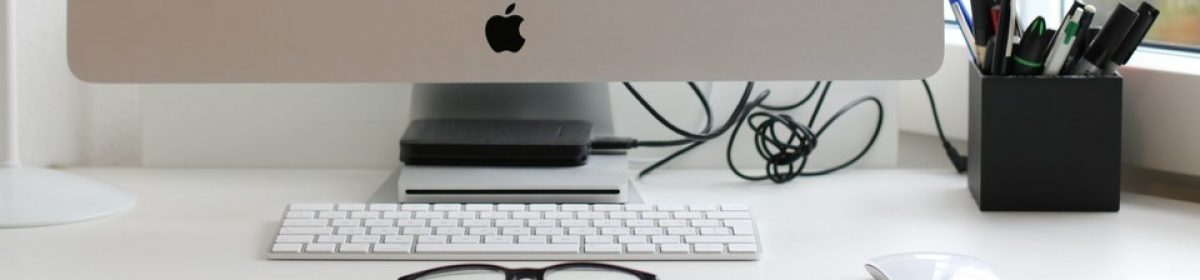
How to quickly check your MacOS Magic Keyboard and Mouse battery level

If you own an iMac and always wonder how much battery life you have left on your keyboard battery and mouse, stop guessing! Here are simple ways to fix this problem. I would often go to unlock my iMac only to find that my mouse or keyboard were unresponsive. Sometimes I’ll click or type until the machine finally wakes up. However, sometimes clicking and typing has no effect.
What gives?


Plus: How to group apps together in MacOS Launchpad (and why you should)
As you know, both the Magic Keyboard and Mouse rely on internal batteries to run, but neither device provides any indication of how much power is left. For a long time, this was all speculation to me. I just assumed that, after a few weeks, they would need to be recharged.
This isn’t an efficient way to keep your battery charged or long-lasting. Unfortunately, MacOS doesn’t have a built-in keyboard battery indicator for keyboard or mouse. You can always open Control Center, go to Bluetooth, and check the status of your keyboard and mouse batteries. Fortunately, there are better ways to do this. Yes, you still need to do this via Bluetooth, but with simple configuration you can bypass the system settings tool and quickly access information from the menu bar.
Let me tell you how.


How to check the battery level of your Magic Keyboard and Mouse

What you’ll need: To do this, you’ll need a MacOS device that uses a Magic Keyboard or mouse. One thing to keep in mind is that when MacOS was upgraded to Sonoma, this option was moved from its original location. Since all my devices have been upgraded to the latest version of MacOS, I’ll be using Sonoma for the demonstration. If you’re using an older version of MacOS, you can find this option directly in System Settings > Bluetooth. For Sonoma, that option no longer exists.


1. Open system settingsThe first thing to do is to open System Settings, which can be done from the Apple menu or Launchpad. Plus: The best and latest Macs compared
2. Open the Control CenterIn the left navigation of System Settings, click Control Center.


3. Enable Bluetooth in the menu barNear the top of the window, you’ll see a Bluetooth list. By default, the associated drop-down list will be set to “Don’t show in menu bar.” Click the drop-down menu and change it to “Show in menu bar.” You can then turn off system settings.
MacOS Sonoma Control Center entry in System Settings. 4.

Check keyboard  battery statusYou should now see a Bluetooth icon in your menu bar. Clicking the icon will display a drop-down menu listing your keyboard and mouse, each with an associated battery percentage. If either device is low on battery, plug it in and charge it. When one of these devices is plugged in, you’ll notice it appears gray. Note that if you click mouse or keyboard input it will disable it, so I would avoid doing this.
This is the easiest way to monitor your apple keyboard battery and/or mouse battery life on MacOS Sonoma. If you often find yourself guessing how much battery power your keyboard has left, this is a great way to alleviate that guesswork.

3.76V 793mAh Apple A1645 Long Life Battery Replacement
793mAh 3.76V for Apple Magic Trackpad 2 Keyboard Control,Apple A1645 Li-ion battery is a new brand and it is compatible with 100% original and replacement battery. Wholesale and retail of Apple A1645 battery is of high quality and low price!

Jeff Bezos Is Betting This AI Startup Will Dethrone Google in Search

Google has been the dominant search engine since the early 2000s, but Jeff Bezos is betting that AI will change the way people find information on the internet. Bezos invested millions in Perplexity AI last week, a startup that hopes to revolutionize search with AI-generated answers and make Google a thing of the past.


“Google is going to be viewed as something that’s legacy and old,” said Perplexity’s founder Aravind Srinivas to Reuters last week. “If you can directly answer somebody’s question, nobody needs those 10 blue links.”Perplexity AI is like ChatGPT had a baby with Google Search, and Jeff Bezos is paying for its college fund. Srinivas’ company approaches search differently from Google. Instead of a list of blue links, Perplexity answers your question in a straightforward paragraph answer, generated by AI, and includes hyperlinks to the websites it got the information from. Perplexity runs on leading large language models from OpenAI and Anthropic, but the company claims it’s better at delivering up-to-date, accurate information than ChatGPT or Claude.


Srinivas’ company has received more financial backing than any search startup in recent years, according to the Wall Street Journal. Search is a tough field that Google has had a chokehold on for the last two decades. However, several notable tech innovators invested in Perplexity , including Jeff Bezos and Nvidia in a $76 million funding round last week. Meta’s Chief Scientist Yann LeCun and OpenAI’s Andrej Karpathy invested in Perplexity earlier on.


Even Google itself believes AI-generated answers will be the future of search. The company launched Search Generative Experience (SGE) last summer, which will write out a quick answer summarizing top results in Google Search. However, Google hidden it away in “Search Labs,” a standalone app. Once Google puts this feature in Google Search, its crown jewel, then we’ll know it’s fully committed to AI as the future of search.


Perplexity overtaking Google is a long shot, but the vote of confidence from Amazon’s founder is aa plus. Roughly 10 million people use Perplexity AI to browse the internet every month, and it’s one of the first AI platforms to reach such a large audience. currently free to use, with a paid subscription tier for $20 a month. Srinivas says our culture stands “at the inflection point of a behavioral shift in how people access information online.” Perplexity massive’s service produces great results, but it has a tough road ahead to unseat Google.

Shop Laptop Batteries ,Laptop AC Adapters, Notebook Batteries and Notebook Chargers from HP, Lenovo, DELL, Panasonic Asus and more! Batteryforpc.co.uk offers the best prices, shipping & top-rated customer service! Order today!”

Asus Vivobook S 14 Flip review | A stylish value-for-money 2-in-1 laptop

With good performance, solid build, and a stunning display, the Asus Vivobook S 14 Flip is one of the best value devices in its classAsus has become a brand that offers good specifications, excellent build quality at competitive prices. The brand has always offered laptops in clamshell and 2-in-1 designs that appeal and easily satisfy the needs of users.

Asus has become a brand that offers good specifications, excellent build quality at competitive prices. The brand has always offered laptops in clamshell and 2-in-1 designs that appeal and easily satisfy the needs of users.

We received the Asus Vivobook S 14 Flip 2-in-1 laptop with a 6-core AMD Ryzen 5 7530U CPU clocked at 4.3 GHz. The device we received was in Serenity Blue. We tested it to see if it worked as expected, and here’s what we found.
in the boxThe box contains the device, 45-watt power cord and related documentation. Also included in the box is the Asus Pen 2.0 stylus, which comes with four different tips that offer a similar texture to the HB and B pencils.
designAlso read
ASUS Vivobook 15 review | Great display and keyboard, improved audio qualityThe ASUS Vivobook S 14 Flip has an all-aluminum body and a sleek look – the quiet blue color looks particularly attractive. The Vivibook logo badge on the lid is eye-catching and gives the device a unique look. The phone’s screen-to- body ratio is as high as 85%, giving it a high-end feel. Overall, the build quality of the phone is good, and the 18mm thickness feels heavy in the hand. However, the 14-inch all-metal body weighs 1.5 kg and feels heavy when used in tablet mode.


The laptop comes with two USB 3.2 Gen2 Type-C ports and 2 USB 3.2 Gen2 ports, one on each side. The charging port, HDMI 2.0 port, and 3.5mm combo audio jack are on the right side. The ports are conveniently placed and we had no issues using them.
The Full HD 3DNR webcam comes with a privacy shutter that’s located in the top bezel so it doesn’t intrude on the screen. The screen itself feels compact and flush with the body. Exclusive to the 16GB version, the fingerprint sensor is located within the power button for easy access. It was pretty accurate – it only took a few attempts to unlock the device when we tried the sensor with dirty fingers, but it was enough to unlock it with the face sensor.


Stereo speakers are placed at either end of the bottom panel.
exhibitVivobook S 14 Flip features a 14-inch WUXGA 1920X1200 IPS touchscreen with Corning Gorilla Glass. The 16:10 aspect ratio and narrow bezels are highly recommended on a device with a screen-to-body ratio of 85%. Peak brightness is 300 nits , and we had no issues using it. The device is used for transmitting content, reading or lighting design work in a bright room. In outdoor settings, though, the 300 nits of brightness really makes itself felt. But although it’s not very good, it’s still usable.
Overall, we had no issues and enjoyed using the device for content viewing, day-to-day work, and light gaming.


The touch screen functions well too and is very responsive when used with your fingers. However, the performance of the pressure-sensitive stylus was less than impressive. We had to constantly check the angle at which the stylus was touching the screen to make sure it was accurate. This seems to be more of an issue with the stylus than the display, which we love so much, though.


PerformanceAs we mentioned, the Vivibook 14 S Flip comes with an AMD Ryzen 5 7530U CPU. The CPU is 6-core, clocked at 4.3 GHz and supports 16GB RAM DDR4 RAM and 512GB PCLe Gen 3 SSD. The laptop also comes with AMD Radeon graphics The machine is more than adequate for daily use, and we didn’t experience any lag or performance degrada  easily charge from 0 to 80% in two hours, despite constant use.
The device comes with WiFi 6E and Bluetooth 5.0 for connectivity. Internet connectivity speeds are good, and the Bluetooth was easily able to pick up devices for connection.
VerdictThe Asus Vivobook 14 S Flip, with its good specifications, great build quality and performance ticks all the right boxes for a convertible device in its segment. Though it does suffer from some of the usual Asus shortcomings like weak speaker and stylus performance, we did not feel like these were deal breakers.


tion even after extended use. The noise from the internal fans is also muted, and you can only hear them when pushing the system hard. Even so, they sound more like a background hum than the fans on other convertible laptops we’ve tested. The backlit keyboard is also up to par. We found that the keys with 1.4mm travel and 19mm pitch provide good feedback and good spacing. 129X73mm touchpad is responsive and easy to use. We wish there was more feedback from the buttons on the lower end of the touchpad, but the experience is still good.


The Full HD camera is also great for video calls and meetings. However, the speaker performance isn’t great. We found ourselves needing headphones to use content on our laptop with the window air conditioner on.


Batteries and connectionsThe battery capacity of the Vivobook 14 S Flip is 50Wh, which is enough to support 5 to 6 hours of content usage, multiple browser tabs, and simultaneous video playback. The charging speed is also good and the device can  easily charge from 0 to 80 % in two hours, despite constant use.
The device comes with WiFi 6E and Bluetooth 5.0 for connectivity. Internet connectivity speeds are good, and the Bluetooth was easily able to pick up devices for connection.


VerdictThe Asus Vivobook 14 S Flip, with its good specifications, great build quality and performance ticks all the right boxes for a convertible device in its segment. Though it does suffer from some of the usual Asus shortcomings like weak speaker and stylus performance, we did not feel like these were deal breakers.

>>>>>>>>>>>>>>>>>Asus Laptop Battery

>>>>>>>>>>>>>>>>>>>>>>>>>>>11.6V 6072mAh Asus C31N2105 Long Life Battery Replacement

Redmi Note 13 series battery capacity leaked, starting from 5000mAh, equipped with 67W and 120W fast charging

3.87V 5160mAh Replacement Smartphone Battery for Xiaomi BM5H Xiaomi Redmi Note 13 series mobile phones will be soon. According to blogger @digitalchatstation, the battery and charging parameters of this series of mobile phones have been made public. Among them, two low-end models support 67W fast charging and have a Xiaomi Smartphone Battery   capacity of 5120mAh, and one high-end model supports 120W fast charging and has a battery capacity of

5000mAh. In addition, all three versions have registered 1.5K eye-protection screens and 200-megapixel lenses, equipped with 1/1.4-inch HPX CMOS. According to foreign media xiaomiui, the Redmi Note 13 series models will launch with Redmi Note 13 4G/4G NFC, Redmi Note 13 5G, Redmi Note 13 Pro 5G/Pro+ 5G,

Redmi Note 13 Turbo and other versions with different specifications Overall, this series of mobile phones is divided into four series: Redmi Note 13, Redmi Note 13 Pro, Redmi Note 13 Pro+, and Redmi Note 13 Turbo. Redmi Note 13 is also divided into different versions such as 4G/4G NFC/ 5G It is expected that the 4G/4G NFC version will be launched in Turkey, Indonesia, Europe and other places, and will not land in the Indian market. A strong focus is expected to be on camera features.


Redmi Note 13 is internally codenamed “Gold” and model number is N17. The machine is equipped with a MediaTek processor, and three different versions of 50 million pixels, 64 million pixels and 108 million pixels were found in Xiaomi’s official code. One of the models is codenamed “goldp,” where the “p” is supposed to represent that it will be released under the POCO brand. Although there is no accurate news yet, it is speculated that the European version will use a 64-megapixel main lens.


The internal code name of Redmi Note 13 Pro 5G/Pro+ 5G is “zircon” and the model number is N16U. According to Kacper Skrzypek, the smartphone will feature a high-quality camera with a 200-megapixel Samsung ISOCELL HP3 sensor. The machine will also be equipped with an 8-megapixel ultra-wide-angle and a 2-megapixel macro lens, and will use a MediaTek processor, but the specific model is still uncertain.
The internal codename of the Redmi Note 13 Turbo is “Garnet”. The specific model is not yet known, but it is expected to use the same 200-megapixel main lens as the Redmi Note 13 Pro 5G, but will use a Qualcomm processor.


Generally speaking, the specifications of the Redmi Note 13 series mobile phones are very powerful, especially the high-end models support 120W fast charging, allowing users to charge faster. In addition, the registered eye-protecting screen and high-pixel lens also provide users with a better user

experience. This series of mobile phones is expected to be launched in the near future, let us wait and see.

>>>>>>>>>>>>>>>>>>>>>> >>>>Xiaomi MI Redmi 2 2A Redmi 1S Long Life Battery Replacement>>>>>>>>>>>>>>>>>>>>>>>> Cell phone batteries

Best Power Banks & Chargers for Mac & iPad Pro

Although Apple products have made significant improvements in battery life, they still haven’t quite reached the level of all-day, non-stop use. With the iPad Pro and Mac lines moving charging connectors to USB-C, the old USB charging modules are no longer enough. This article introduces three power-related products to help you decide which one is best for your style of mobile computing work and entertainment. Eggtronic Laptop Power Bank ($69.99)

This QuickCharge 3.0-enabled USB-C, USB-A, and USB-A is billed as a Apple Laptop Adapter power bank that also doubles as a phone and tablet charger. This power bank’s 20,000mAh battery delivers 63 watts of power, making it perfect for travelers, campers and anyone who needs on-demand charging. Three ports can charge connected devices simultaneously, making it very convenient to carry a power bank when you travel. The digital readout showing battery charge percentage is nice, especially since I find the bar- based battery indicator doesn’t accurately tell me how much charge is left. The power bank is also stylish and isn’t much bigger than the iPhone Max Pro 12, but it’s heavier and thicker.

Luckily, it has a nice canvas top and bottom , with a rubber edge wrapped around the center for grip stability and drop protection. In addition to lacking a base capable of wireless charging, this power bank also does not come with a charger. You’ll need a decent USB-C charger (one that delivers at least 30 watts of power) to charge the battery in an acceptable amount of time. If you already use a USB-C MacBook or modern PC laptop that comes bundled with a USB-C charger, you can use it to charge this power bank. But it would be more convenient to include a built-in charger (or at least include one in the box) to complete the package.


advantageMulti-charge power bank with USB-C, USB-A QuickCharge and standard USB supportAttractive, stylish footprint and accurate battery charge percentage indicatorPowerful battery specifications for mobile device chargingshortcomingNo built-in wireless chargerThere is no USB-C charger power adapter to charge the battery included in the packagefinal verdict


For users who like a beautiful, high-quality portable power bank that can charge laptops, tablets and phones multiple times at the same time, the Eggronic is a mobile power bank that can easily fit into your gadget or laptop bag and keep you charged. Power users. Billed as the world’s smallest 240W power bank, the Intelli ScoutPro packs a lot ofbattery power into its portable case. While small compared to other chargers in this wattage, the ScoutPro is heavier and larger than other 20,000mAh power banks, similar to the size and weight of a drinking bottle. It features two USB-C and one USB-A QuickCharge 3.0 ports, and a rubber-topped wireless charging coil that can charge both your iPhone and Apple

Watch. All of these connections can be used to maximize the efficiency of your multi-device charging. The USB-C port delivers up to 100 watts of output, capable of charging even the most power-hungry USB-C  Laptop Adapter. The ScoutPro launched successfully on Kickstarter for $159 and is expected to retail for $349. The retail price is steep for what you get, but the price will likely be discounted once it becomes available outside of Kickstarter backers later this year.


Intelli ScoutPro Power Bank Wireless ChargingOne criticism is that the ScoutPro uses personally a bar graph, which I hate, to display battery charge status, rather than an actual digital display like the Eggtronic power bank. The bar indicator is large, well-lit, and easy to spot due to the size of the ScoutPro, but it still leaves me in the dark as to how many last bars I have left before the remaining charge is depleted? Maybe Intelli can add a digital readout to the second generation power bank to show how much power is left Like the Eggronic, the Intelli ScoutPro doesn’t include a USB-C power adapter in the package for charging the power bank.


HyperJuice 66W GaN USB-C Charger ($59.99)So what do you do when you banks have these high-capacity power but lack a heavy-duty power adapter to charge them? You can use the product that came with your laptop or tablet, or buy one that can handle the load. Fortunately, the HyperJuice 66W Charger is one such power adapter that works with modern USB-C and USB-A QuickCharge.

HyperJuice Charger AdapterThis very cool power adapter is almost the same size as theApple iPad power adapter, but it delivers up to 66W of power delivered by two built-in USB-C and one USB-A QuickCharge ports. HyperJuice’s compact size allows it to be easily included in power banks and any other USB-C and USB-A based devices. I really like the portability and power of this 3-port gem for delivering the goods efficiently.
advantage
Extra large 66W power adapter shippedApproximately the same size as standardrd ipad power adapterConsCons? What cons?


Final VerdictThis was one of those products that I didn’t know I needed until I had it. The HyperJuice charger is now my USB-C/USB-A charger of choice, ready to power and recharge everything from power banks and laptops to tablets and legacy USB-A devices. It’s a keeper for sure.

>>>>>>>>>>>>>>>>>>>>>>>>>Apple A1993 laptop Adapter for Apple Mac Mini A1993

Samsung answers burning Note 7 questions, vows better batteries

In a press release on Sunday, Samsung said two separate battery defects caused original batches of Galaxy Note 7 phones and replacement phones to overheat.
The first battery allegedly had a design flaw. Justin Denison, Samsung’s head of product strategy and marketing, said the Samsung Smartphone Battery casing was too small for the components inside, causing the battery to short out and catch fire. The second battery came from another supplier and did not have the same defect. The US branch said in an interview before the press conference. However, he said that in the rush to produce enough batteries for replacement units, suppliers introduced manufacturing defects that led to the same result.

The explanation clears up the mystery behind the Note 7 explosion, but also raises new challenges for the embattled company: after a disastrous few months that included two recalls and the decision to discontinue the popular model, mobile phone with good reviews) and regain your trust Sunday’s press conference marked the beginning of Samsung’s campaign to rebuild the company’s credibility, which includes an upcoming flagship Galaxy S8 phone and another Note later this year.
“This is a painful crisis for me,” DJ Gao, head of Samsung’s mobile business, said in an interview before the news conference. He called it the worst period in his 33 years at the company.
Not one but two batteries from different suppliers failed for different reasons, a strange coincidence that may surprise and dismay those looking for a single, clean explanation. On Sunday, Koh and three independent testing companies – UL, Exponent and TUV Rheinland – came to much the same conclusion as Samsung – that it was the battery that caused the Samsung phone’s Note 7’s battery problems, not the phone’s design or Samsung’s manufacturing process.


“The [Samsung-designed] electronics did not cause [battery] cell failures from either manufacturer,” Exponent chief scientist Kevin White said in a news release on Sunday.
While the Note isn’t Samsung’s best-selling line of phones, it’s an important device for the company. It’s one of two major flagships launched each year, notably the Note 7, which aims to compete with Apple’s iPhone 7 Plus, which launches in September. Samsung says its most loyal customer base across all its products is those who have purchased Note models. Just look at the thousands of Note 7 owners still on Verizon — the carrier is directing calls to its customer service department to have them hand over their phones.
Samsung expects the Note 7 incident to result in the recall of 3 million phones, costing the company more than $5 billion. That doesn’t include the blow to its reputation, which could take months or even years to repair.


You can also take a lookEverything you need to know about the Galaxy Note 7 recallSamsung kicks off CES event with Note 7Verizon may have “thousands” of Note 7 phones still in useSamsung’s biggest task this year will be to regain consumers’ trust and show customers and potential customers that its devices are safe and that the company won’t make the same mistakes again. Samsung hopes the transparency marks a good first step, its executives told CNET in interviews.
“If a company does it right, it takes an average of 18 months to turn around a reputation,” said Thomas Cook, a professor at Georgetown University’s McDonough School of Business. “Samsung is on the road to recovery. I think it can be Done.So, what exactly happened?Soon after the Note 7 went on sale in mid-August, users reporting overheating issues. Samsung initially linked the problem to a defective battery and recalled all Note 7  battery phones on the market., this did not solve the problem and the replacement unit also overheated. Samsung issued a rare second recall in October and stopped production of the Note 7. The focus then turns to identifying the problem.


Samsung has devoted significant manpower to responding to the Note 7 investigation, among other challenges. It has established a testing facility in each of the four locations where its phones are produced: Gumi, South Korea; Hanoi, Vietnam; and Huizhou and Tianjin, China In total, these sites tested more than 200,000 Note 7 devices with batteries and more than 30,000 batteries. Samsung’s mobile division has more than 700 engineers dedicated to the testing process. (Samsung has more than 70,000 engineers across the company, but they’re spread across various divisions.)
Engineers studied software, hardware, manufacturing processes, quality and assurance testing, and supply chains. They looked at issues such as whether iris scanners or software algorithms were causing overheating, or whether fast charging of the device could be causing overheating. ng capabilities come into play.

Samsung is turning its focus to the Samsung battery itself. Throughout the testing, engineers were able to cause the battery within the device and itself to overheat.
Samsung has two independent suppliers for its  Samsung cellphone Note 7 batteries, which are custom-made for the Note 7. It specifies characteristics such as voltage and physical size. It’s then up to the suppliers to design and build the cells however they see fit. “If you open Battery A and Battery B, they are different batteries,” Denison said.

In the first supplier’s battery, known as Battery A, Samsung discovered a design flaw that caused the battery to short circuit. The supplier manufactured a bag (the battery’s casing) that did not have enough room for the battery to expand and contract during normal charge and discharge cycles. This causes the positive and negative terminals to come into contact, causing the battery to short out.


(Some early reports speculated that Samsung phones would have no room for Samsung phones batteriesthemselves. That was not the case, but Samsung plans to create more battery space inside its devices in the future.)


For B batteries from Samsung’s second supplier, the defects were related initially to manufacturing and quality issues. The supplier supplied cells that worked well in early Note 7 devices, but the battery maker made a mistake when Samsung increased orders and forced the supplier to become its sole battery supplier. The ultrasonic welding process left some protrusions that caused the battery to short out.
Samsung has asked a second supplier to produce about 10 million new batteries. “Ultimately, they weren’t able to produce a quality product,” Denison said.
What is Samsung doing now?One of the biggest problems Samsung faced during the Note 7 fiasco was that its quality and assurance process (the testing a phone goes through before it’s sold) didn’t catch problems.


Samsung had to X-ray the A battery to find the problem, while the B battery required Samsung to take it apart to find the error. Koh said both steps are not part of Samsung’s normal testing process and are handled by the battery manufacturer. Samsung is now changing its testing process for key moving parts. For b Samsung batteries in particular, Samsung is developing an eight-point inspection process. Some of the previous steps were handled by their vendors; some are new.

One of the checks is a durability test, which checks whether the battery has been overcharged, punctured by nails, or exposed to extreme temperatures. Samsung will visually inspect each battery and conduct X-ray testing to check for abnormalities. Conduct large-scale charge and discharge tests on the battery to simulate consumer accelerated use scenarios, and disassemble the   Samsung battery to check the overall quality. Other tests will look for leaks in battery components and throughout the device, or any changes in voltage during the manufacturing process.

All brands laptop battery in here, We sell cheap and high quality laptop batteries , Tablets battery, mobile phone battery, you choose.