

By now we’re all familiar with the basics ofsmartphone photography: You pull out your phone and push a button. But if you
really plan to preserve those memories for posterity, then you’ll want your
phone snaps to look their best. So up your phone photo game with these nine
tips and tricks.
really plan to preserve those memories for posterity, then you’ll want your
phone snaps to look their best. So up your phone photo game with these nine
tips and tricks.
Camera settings, lighting, scene modes, and
composition can all play a part, as we’ll explain. And when you’ve got your
photos looking suitably fantastic, make sure you also take the time to back them upsomewhere safe.
composition can all play a part, as we’ll explain. And when you’ve got your
photos looking suitably fantastic, make sure you also take the time to back them upsomewhere safe.

Adjust focus and exposure
Smartphone cameras have come a long way in a short time, and mosthandsets now give you some control over the focus and exposure of your shot. If
manual focus is available, it’s usually activated with a tap on the screen, on
the point where you want the camera to focus.
manual focus is available, it’s usually activated with a tap on the screen, on
the point where you want the camera to focus.
Check
in the settings for your phone’s camera app too. If you find a face recognition
option, it’ll automatically zero in on faces, helping you avoid shots where
your friends’ faces are a blurred mess.
in the settings for your phone’s camera app too. If you find a face recognition
option, it’ll automatically zero in on faces, helping you avoid shots where
your friends’ faces are a blurred mess.
Then there’s the exposure, or how much light is allowed into the
frame. In the default iPhone camera app (shown above), you can tap once to
focus, then hold and drag to adjust the exposure. It’s a similar story in the
camera app for stock Android: Tap once for focus, then you can adjust exposure
via the slider that pops up at the side or top of the screen. For more tips on
nighttime photography, check out this guide to capturingcelestial objects in the night sky.
frame. In the default iPhone camera app (shown above), you can tap once to
focus, then hold and drag to adjust the exposure. It’s a similar story in the
camera app for stock Android: Tap once for focus, then you can adjust exposure
via the slider that pops up at the side or top of the screen. For more tips on
nighttime photography, check out this guide to capturingcelestial objects in the night sky.
Use HDR mode
HDR, or High Dynamic Range, is now a staple feature for
smartphone camera apps. Simply put, it brings detail out of the darkest and
lightest parts of your picture and creates a better balance of colors overall.
The downside is that, in HDR mode, photos take a little longer to process while
your smartphone works all this out.
smartphone camera apps. Simply put, it brings detail out of the darkest and
lightest parts of your picture and creates a better balance of colors overall.
The downside is that, in HDR mode, photos take a little longer to process while
your smartphone works all this out.
It’s particularly suitable for landscapes and portrait shots,especially when there’s a wide range between the darkest and lightest parts ofyour photo. As it takes a few milliseconds longer to take a snap though, you
should avoid using it on fast-moving subjects or when you can’t keep your phone
steady.
should avoid using it on fast-moving subjects or when you can’t keep your phone
steady.
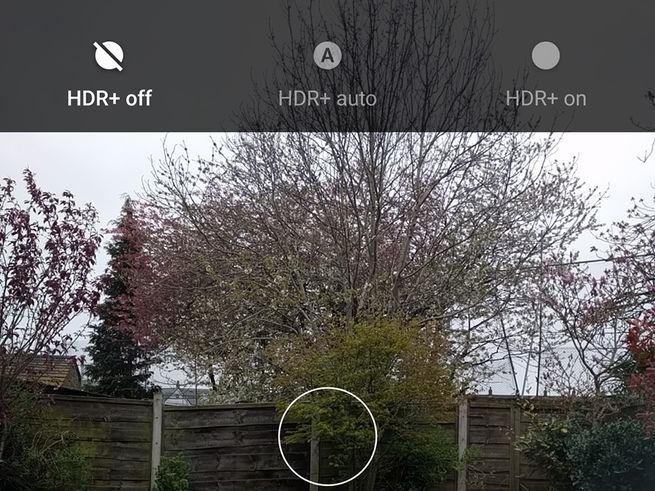
Whatever your make and model of phone, you should see “HDR
mode” in a prominent place somewhere on screen. It’s also likely that you
can set this to automatically kick in (as on stock Android, above), which means
HDR mode will activate whenever the camera senses it could be useful. You can
also turn HDR mode on and off manually.
mode” in a prominent place somewhere on screen. It’s also likely that you
can set this to automatically kick in (as on stock Android, above), which means
HDR mode will activate whenever the camera senses it could be useful. You can
also turn HDR mode on and off manually.

Use natural light where possible
Light is one of the most important factors in any photo. If you
can make use of the available natural light, then you don’t have to resort to
your phone’s built-in flash (which may give you less-than-ideal results,
particularly at a distance).
can make use of the available natural light, then you don’t have to resort to
your phone’s built-in flash (which may give you less-than-ideal results,
particularly at a distance).
If you can, position your subjects so they’re well-lit from the front
and not silhouetted by a strong light from behind. Of course, this isn’t always
possible for quick shots, but do what you can.
and not silhouetted by a strong light from behind. Of course, this isn’t always
possible for quick shots, but do what you can.
Using artificial light can work too, though you need to take more
care. In a night scene, for example, get your friends to stand closer to the
glow of artificial lights rather than deeper in the shadows, and make sure
their faces are as well-illuminated as possible. Using the flash can help, but
if you have time, try one shot with flash and one without to see the
difference.
care. In a night scene, for example, get your friends to stand closer to the
glow of artificial lights rather than deeper in the shadows, and make sure
their faces are as well-illuminated as possible. Using the flash can help, but
if you have time, try one shot with flash and one without to see the
difference.
Steady your shot
One area where smartphone snappers still lag behind dedicatedcameras is in their sensitivity to movement. Even a slight shake can leave a
smartphone photo looking like it was taken on a rocking boat, while a more
professional DSLR copes better with this type of motion.
smartphone photo looking like it was taken on a rocking boat, while a more
professional DSLR copes better with this type of motion.
It’s therefore important to minimize camera shake as much as
possible. Buying a tripod might seem like overkill, but you can pick up cheap, small tripodmodels that are made specifically for smartphones.
possible. Buying a tripod might seem like overkill, but you can pick up cheap, small tripodmodels that are made specifically for smartphones.
If you don’t want to get a tripod then use whatever’s available—a
wall, a friend’s shoulder, or even your other arm. Keeping the shot steady is
particularly important in low light conditions, when exposure times have to be
longer.
wall, a friend’s shoulder, or even your other arm. Keeping the shot steady is
particularly important in low light conditions, when exposure times have to be
longer.

Apply the rule of thirds
This is an old photography trick that’s been around for years, but
you can still apply it to smartphones. According to the rule of thirds, an image is split into nine
equal blocks that form a three-by-three grid (like in the image above). You
should aim to get the most interesting parts of your image (like a treeline or
a group of faces) near the corners of these segments, where the imaginary
gridlines meet.
you can still apply it to smartphones. According to the rule of thirds, an image is split into nine
equal blocks that form a three-by-three grid (like in the image above). You
should aim to get the most interesting parts of your image (like a treeline or
a group of faces) near the corners of these segments, where the imaginary
gridlines meet.
To improve your shot composition, give the rule of thirds a try.
Whether you’re taking pictures of friends at a bar or working on a landscape
shot, you’ll find it simple and effective.
Whether you’re taking pictures of friends at a bar or working on a landscape
shot, you’ll find it simple and effective.
It’s even more simply when you don’t have to imagine the dividinglines yourself. This being the age of instant smartphone photography, just
about every camera app out there will display them for you. On the stock
Android camera app, you’ll see the grid icon at the edge of the screen, while
in iOS the grid option is under Photos & Camera in Settings.
about every camera app out there will display them for you. On the stock
Android camera app, you’ll see the grid icon at the edge of the screen, while
in iOS the grid option is under Photos & Camera in Settings.

Take photos in bursts
The days of waiting for your film to get processed and developedbefore you can see your photos are long gone. Take advantage of our brave new
world of instant photography by firing off as many shots as possible. Then, you
can review your images after the event and delete all but the best ones.
world of instant photography by firing off as many shots as possible. Then, you
can review your images after the event and delete all but the best ones.
Most phones come with a burst mode for this very purpose. On both
iOS and (stock) Android, you activate it by holding down the shutter button in
Photo mode. You can dive into the camera settings to make changes to how burst
mode works.
iOS and (stock) Android, you activate it by holding down the shutter button in
Photo mode. You can dive into the camera settings to make changes to how burst
mode works.
Third-party camera apps often have a burst mode too. It gives you
a useful range of different pictures to choose from, and can prove handy in
pretty much any situation, from casual family shots with your blink-prone
cousin to wildlife photos.
a useful range of different pictures to choose from, and can prove handy in
pretty much any situation, from casual family shots with your blink-prone
cousin to wildlife photos.

Edit images on the go
Getting good pictures from your phone doesn’t start and end with
your camera app of choice. You can also add a photo editing app to the mix to
tweak your shots before sharing them with the wider world.
your camera app of choice. You can also add a photo editing app to the mix to
tweak your shots before sharing them with the wider world.
You’re spoiled for choices in this department. In addition to the
native photo gallery and editing apps supplied by Apple and Google,
alternatives such as Snapseed(above), Adobe Photoshop Express, and VSCO can do wonders with your pictures.
Adobe is even incorporating AI into their photo editing apps.
native photo gallery and editing apps supplied by Apple and Google,
alternatives such as Snapseed(above), Adobe Photoshop Express, and VSCO can do wonders with your pictures.
Adobe is even incorporating AI into their photo editing apps.
You can add filters, tweak colors, straighten images, and more.
Also keep an eye out for the “one touch” fixes that enhance your
pictures with minimal effort from you. Some image editing apps import photos
taken by your camera, while others have an integrated camera component of their
own. Which brings us on to our next tip…
Also keep an eye out for the “one touch” fixes that enhance your
pictures with minimal effort from you. Some image editing apps import photos
taken by your camera, while others have an integrated camera component of their
own. Which brings us on to our next tip…

Install a third-party camera app
If you’ve never ventured beyond your phone’s default camera app,
then you might be surprised at just how many third-party alternatives are out
there. They give you access to extra settings, different features, and bundles
of filters to get your mobile photos looking their best.
then you might be surprised at just how many third-party alternatives are out
there. They give you access to extra settings, different features, and bundles
of filters to get your mobile photos looking their best.
Take Manual for iOS, for instance, which lets
you control shutter speed, ISO, white balance and more. Afterlight for
iOS and Android gives you access to a similar set of pro tools, together with a
bunch of impressive filters.
you control shutter speed, ISO, white balance and more. Afterlight for
iOS and Android gives you access to a similar set of pro tools, together with a
bunch of impressive filters.
Speaking of filters, Instagram for iOS and Android (above) isn’t
just a social network. It can also turn your shoddy
photos into works of art with a couple of taps. The app now includes a host of
editing and tweaking tools besides the filters it’s famous for, making it one
of the best photo-taking apps you can get.
just a social network. It can also turn your shoddy
photos into works of art with a couple of taps. The app now includes a host of
editing and tweaking tools besides the filters it’s famous for, making it one
of the best photo-taking apps you can get.

Explore the default camera app
Even with plenty of third-party camera apps to pick from, it’s
worth exploring everything the default app on your phone has to offer. If
you’re on iOS, the built-in camera comes with a selection of live filters you
can choose from (tap the icon in the top-right corner to see them). And if
you’re using an iPhone 7 Plus, then you can swipe across to the Portrait mode for an instant
depth-of-field effect (where the subject remains sharp but the background is
blurred).
worth exploring everything the default app on your phone has to offer. If
you’re on iOS, the built-in camera comes with a selection of live filters you
can choose from (tap the icon in the top-right corner to see them). And if
you’re using an iPhone 7 Plus, then you can swipe across to the Portrait mode for an instant
depth-of-field effect (where the subject remains sharp but the background is
blurred).
On Android, the camera app you’ve got will vary depending on which
manufacturer made your phone. The stock Google Camera app has a very useful
lighting filter available via the thermometer icon. You can choose from presets
including cloudy and tungsten, so you can get the colors looking just right no
matter what type of light you’re dealing with.
manufacturer made your phone. The stock Google Camera app has a very useful
lighting filter available via the thermometer icon. You can choose from presets
including cloudy and tungsten, so you can get the colors looking just right no
matter what type of light you’re dealing with.
Meanwhile, default camera apps from Samsung, LG,
Sony, Huawei (above), and others include a variety of extra scenes and tools to
play around with. On newer Samsung handsets, for example, you can tap the Mode
button to bring up a Pro mode packed with filters and adjustments for color and
contrast that can be tweaked even before you take your shot. So open up your
app, and do some exploring.
Sony, Huawei (above), and others include a variety of extra scenes and tools to
play around with. On newer Samsung handsets, for example, you can tap the Mode
button to bring up a Pro mode packed with filters and adjustments for color and
contrast that can be tweaked even before you take your shot. So open up your
app, and do some exploring.


